Butterfly: A Premium Font for Elegant Branding
Understanding the Visual Character of Butterfly
The Butterfly font immediately presents itself as a typeface with a distinct, refined personality. It's not a generic script or a simple serif; it occupies a unique space that blends elegance with a touch of organic fluidity. The letterforms often feature graceful, flowing strokes and subtle variations in weight, suggesting a connection to calligraphy or hand-lettering, but with a polished, digital precision. This isn't a loud, decorative font. Its strength lies in its ability to convey sophistication, creativity, and approachability simultaneously. The visual rhythm of Butterfly creates a sense of movement and life, making it far more engaging than static, geometric typefaces.
Its appeal is rooted in this balance. For designers and brand strategists, Butterfly offers a creative font that can elevate a project without overwhelming it. It has the personality to stand out in a logo design or headline, yet possesses enough clarity to be considered for certain editorial applications. The overall style is modern typography with a timeless feel, avoiding fleeting trends in favor of a more enduring aesthetic. It’s a typeface that speaks to quality and intention.
Where Butterfly Truly Shines: Practical Applications
Choosing the right premium font is about matching its personality to your project's goals. Butterfly excels in scenarios where you need to inject elegance, warmth, or artisanal quality. In logo design and brand identity, it can become the cornerstone of a visual system for boutique brands, lifestyle blogs, wedding services, or high-end product lines. Think of a cosmetics label, a specialty coffee roaster, or a boutique hotel—Butterfly can help craft an identity that feels luxurious and personal.
Beyond logos, its applications are vast:
- Editorial and Publishing: Perfect for magazine headlines, book covers (especially in romance, lifestyle, or literary fiction), and chapter titles that require a touch of sophistication.
- Packaging Design: On product labels, gift boxes, or shopping bags, Butterfly communicates care and premium quality, helping items stand out on a shelf.
- Digital and Web Design: Use it strategically for website headers, hero section callouts, or impactful social media graphics. It’s particularly effective on platforms like Instagram and Pinterest where visual appeal is paramount. For web design, it pairs beautifully with a clean sans serif font for body text, creating a strong visual hierarchy.
- Marketing and Advertising: Ideal for invitation suites, event posters, promotional flyers, and email newsletter banners where you want to capture attention and convey a specific, elegant tone.
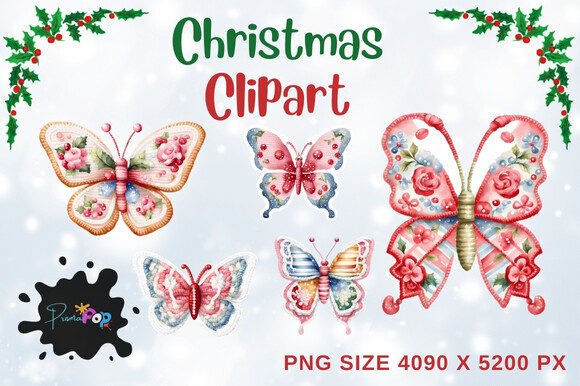
For crafters and hobbyists, the included PNG files and clipart are incredibly useful. You can incorporate these design assets directly into digital scrapbooking, printable wall art, custom stationery, or T-shirt designs without needing advanced software skills. The high-resolution images ensure your projects look crisp and professional, whether printed or displayed on screen.
Making Butterfly Work for Your Project: A Strategic Guide
Simply liking a font isn't enough; you need to evaluate if it’s the right tool for the job. Here’s how to approach using Butterfly effectively.
Evaluate Project Fit and Readability. Butterfly is primarily a display font. This means it’s engineered for impact at larger sizes—think headlines, titles, and short bursts of text. Its intricate details can become lost or reduce readability in long paragraphs of body copy. Always test it at the intended size. For a website, check its legibility across different devices. For print, do a test print at the final size. Pair it wisely: combine Butterfly with a highly legible sans serif font like Open Sans or Lato for body text, or a simple serif font like Merriweather for a classic, editorial feel. This pairing creates a clear visual hierarchy, guiding the reader's eye naturally.
Explore the Included Styles. The ZIP file you receive isn't just a single font file. Carefully review what’s included. There may be alternate characters, ligatures, or stylistic sets that can add variation and prevent your design from looking repetitive. Using these features thoughtfully is a mark of a professional designer and enhances brand recognition through subtle, consistent details.
Understand the Licensing for Commercial Use. This is a critical, often overlooked step. The font comes with a commercial font license, but the specifics matter. Review the license agreement included in your download. It will clarify permissible uses—for example, whether you can use it in a logo for a client, on products for sale, or in digital templates you sell. Typically, these licenses allow for extensive commercial use, but confirming ensures you’re protected and respecting the creator's work.
Build Brand Consistency. Once you choose Butterfly for a project, use it consistently. Apply it to the same types of elements across all your materials—your website headers, social media templates, and print collateral. This consistency builds professionalism and makes your brand instantly recognizable. It transforms the font from a decorative element into a core component of your brand's voice.
Ultimately, Butterfly is more than just a collection of glyphs. It's a versatile design asset that, when used with intention, can significantly influence how your audience perceives your brand. It can add that final layer of polish that turns a good design into a great one, fostering deeper engagement and leaving a lasting impression of quality and creativity. By focusing on strategic application rather than just aesthetics, you unlock its full potential to elevate your creative and commercial projects.