Tracing Numbers 1-20 for Kids: A Playful Font for Creative Projects
The Visual Character of a Kid-Friendly Typeface
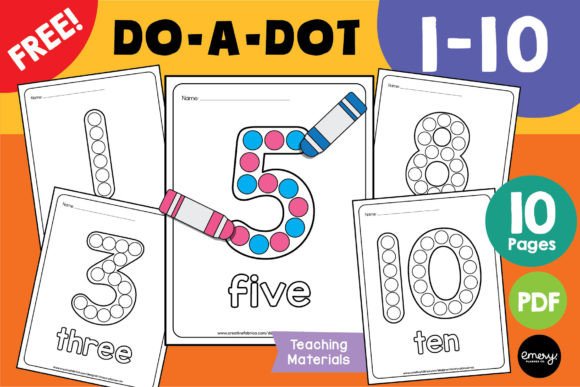
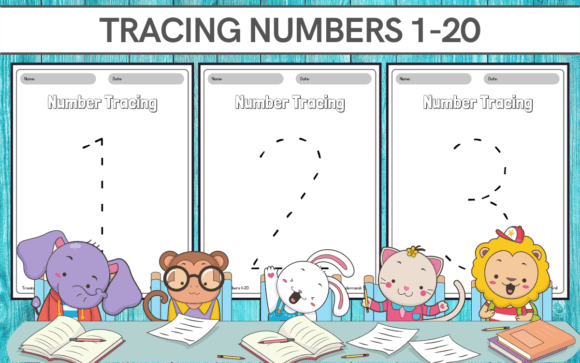
When you first encounter Tracing Numbers 1-20 for Kids, you immediately sense its purpose. This isn't a font trying to be something it's not—it's a genuine, purpose-built typeface designed for early childhood education materials. The numbers have that distinctive dotted-line quality you'd find in traditional tracing worksheets, but with a modern, clean execution that makes them versatile for contemporary design projects.
What stands out visually is the balance between playful energy and structural clarity. Each number maintains consistent proportions, making them easily recognizable for young learners while still looking polished enough for professional applications. The weight of the strokes feels intentional—not too thin that they'd disappear on screen, not too thick that they'd overwhelm smaller layouts. There's a warmth to the overall aesthetic that feels inviting rather than clinical.
The personality of Tracing Numbers 1-20 for Kids sits comfortably between educational tool and creative asset. It doesn't scream "babyish" or feel condescending. Instead, it carries a friendly, approachable quality that works surprisingly well across different audiences and contexts. The visual consistency across all twenty numbers creates a cohesive look when used together, which matters significantly for educational materials where pattern recognition supports learning.
Where This Font Truly Shines in Real Projects
I've seen Tracing Numbers 1-20 for Kids find its way into projects I wouldn't have initially considered. Yes, it works beautifully for preschool workbooks and kindergarten activity sheets—that's its bread and butter. But creative professionals have discovered its potential extends further.
Packaging design for children's products benefits enormously from this typeface. Think about toy boxes, craft supply packaging, or kids' snack brands. The numbers add instant recognition of a child-friendly product without relying on overly cartoonish elements that might date quickly. In editorial design, I've noticed it used effectively in parenting magazines, children's book interiors, and educational publication layouts where numbers need to stand out clearly.
Digital applications present interesting opportunities too. Social media graphics targeting parents or educators gain a distinctive look when incorporating these traced numbers. They work well for countdown posts, age milestone announcements, or educational tip series. Web design for children's educational platforms, daycare centers, or tutoring services can use this typeface to establish immediate visual connection with their audience.
For brand identity projects involving children's businesses—pediatric offices, kids' clothing lines, children's entertainment companies—this font offers a subtle way to communicate "we understand kids" without resorting to generic imagery. It pairs surprisingly well with both sans serif font and serif font options for body text, creating visual hierarchy that feels intentional rather than chaotic.
Practical Considerations for Working With This Font
Before incorporating Tracing Numbers 1-20 for Kids into your next project, consider a few practical points. First, evaluate whether the traced, dotted-line aesthetic aligns with your project's overall tone. For formal corporate communications, it's probably not the right fit. But for anything targeting families, educators, or children directly, it often hits the mark perfectly.
Font pairing deserves attention. Because this typeface has such a distinctive personality, pairing it with neutral companions usually works best. A clean sans serif font for supporting text prevents visual competition while maintaining readability. Avoid pairing it with other highly stylized fonts—script font or handwritten font options might create confusion rather than contrast.
Readability testing matters, especially for web design applications. While the numbers are clear at larger sizes, smaller implementations might lose some of the tracing detail that defines the character. Test at your intended size across different devices and print formats before finalizing. The 21-page PDF included with this premium font resource gives you plenty of material to evaluate how each number performs individually and in combination.
For commercial projects, verify licensing terms carefully. Most commercial font resources include clear guidelines about permitted uses, but it's worth confirming before incorporating into client work or products for sale. This creative font works well for both personal projects and professional applications, but understanding the terms protects everyone involved.
Consider the context of your numbers carefully. Using "1" and "2" separately creates different visual impact than using "12" or "20." The consistency across the full 1-20 range means you can build countdowns, age references, or sequential content without visual breaks that disrupt the flow. This consistency elevates it beyond typical display font options that might only include basic numerals.
Finally, think about your audience's expectations. Parents and educators recognize the tracing worksheet aesthetic immediately—it triggers associations with learning, childhood development, and educational support. That recognition works in your favor when the message aligns with those themes. For logo design or brand identity work, this instant recognition can shortcut the communication process, helping audiences understand your brand's focus before reading a single word.
The versatility of Tracing Numbers 1-20 for Kids might surprise you. What begins as an educational resource becomes a genuine design asset for anyone creating content that speaks to young families or early childhood contexts. Like any modern typography choice, success lies in matching the tool to the task—and understanding when this particular tool serves your creative vision better than alternatives.