Mastering the Lined Writing Sheet Template for Professional Practice
In the realm of visual communication and brand identity, the tools we use often define the clarity of our message. While we frequently obsess over kerning, leading, and the perfect display font, we often overlook the foundational element of content creation: the canvas itself. Whether you are a designer sketching out a logo, a publisher laying out a manuscript, or a small business owner planning a content calendar, the structure beneath your ideas is just as critical as the typography you choose. This is where the utility of a high-quality Lined Writing Sheet Template becomes undeniable.
A Lined Writing Sheet Template is not merely a piece of paper with horizontal stripes; it is a carefully constructed design asset intended to bring order to chaos. Visually, the best templates in this category offer a balance of restraint and functionality. They typically feature a clean, minimalist aesthetic where the ruling lines serve as a subtle grid system. The appeal lies in their versatility—they provide the necessary structure for practice writing paper without overpowering the content that will eventually be placed upon them. For the creative professional, these sheets represent a "blank slate" that is already primed for productivity, offering a consistent baseline that aids in alignment and spacing.
Strategic Applications for Designers and Entrepreneurs
Understanding where to deploy a Lined Writing Sheet Template extends far beyond elementary school penmanship. For the modern entrepreneur or content creator, these sheets serve as the backbone for various operational and creative workflows.
Consider the needs of a brand strategist or logo designer. The initial phases of logo design often involve rapid ideation and thumbnailing. Using a structured template ensures that these sketches are organized, making it easier to review and select concepts later. Similarly, in editorial design, having a standardized set of lined sheets allows for consistent storyboarding and layout planning before moving to software like InDesign or Affinity Publisher.
For marketers and bloggers, the applications are equally practical:
- Content Planning: Lined sheets are perfect for drafting long-form articles or scripting video content, allowing for easy notation and editing.
- Client Workbooks: If you sell digital products, a premium font paired with a beautifully designed lined template can be packaged as a downloadable workbook or lead magnet.
- Journaling and Reflection: Many crafters and hobbyists use these templates to create custom journals or planners, merging functionality with personal expression.
The visual personality of these templates is one of professionalism. By utilizing high-quality resolution interiors and resized vectors, you ensure that the lines remain crisp and clean, whether viewed on a Retina display or printed on standard 8.5" x 11" paper. This attention to detail signals to your audience or clients that you value precision.
The Psychology of Structure: Readability and Brand Perception
Typography theory tells us that whitespace is as important as the text itself. A Lined Writing Sheet Template effectively manages this whitespace, creating a rhythm that guides the eye. When you present information on a structured surface, you enhance readability and visual hierarchy. The lines act as a subtle guide, preventing text blocks from drifting and ensuring a straight, professional appearance.
This structure influences brand perception significantly. Imagine a small business owner handing out a handwritten note to a customer versus handing them a note written on a beautifully crafted, branded lined sheet. The latter implies consistency and professionalism. It suggests that the brand cares about the details, which builds trust and recognition.
Furthermore, for those involved in packaging design or social media graphics, the aesthetic of lined paper can be utilized to evoke a specific mood. It can suggest authenticity, organic thought, or a "back-to-basics" approach that resonates with audiences tired of over-polished, corporate aesthetics. The "handwritten" feel, even if structured, creates a sense of intimacy and connection.
Practical Guide: Integrating the Template into Your Workflow
To get the most out of a Lined Writing Sheet Template, you must approach it with the same rigor you would apply to selecting a serif font or sans serif font for a website. Here is a practical guide to evaluating and utilizing these design assets.
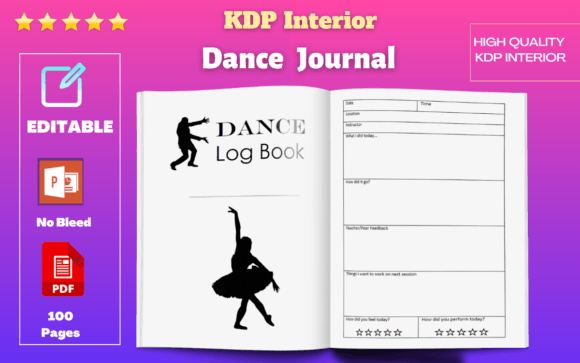
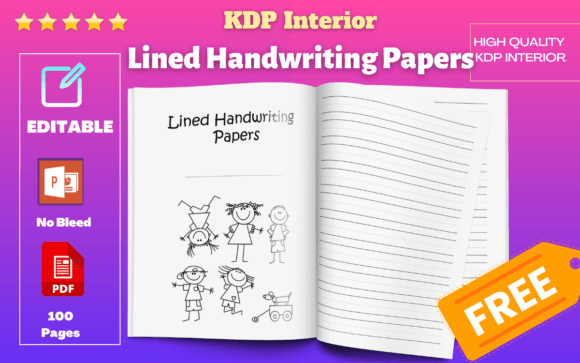
1. Evaluate the File Formats: A versatile template package should offer multiple formats. You need a PowerPoint format (PPTX) for easy editing—perhaps you want to change the line color to match a client’s brand palette or add a logo to the header. You also need a PDF format that is ready to upload or print. Ensure the PDF has no bleed issues and is optimized for standard printing margins.
2. Check for Customization and Quality: Look for templates that are totally editable. Can you adjust the line weight? Can you change the spacing between lines? This flexibility is crucial for font pairing. If you are using a heavy, bold display font for headers, you might need wider line spacing than if you are using a delicate script font or handwritten font.
3. Consider the Commercial License: If you are a publisher or entrepreneur creating products for sale, the license is paramount. Look for assets that explicitly state Commercial Use. This allows you to incorporate the lined sheets into products you sell, such as activity books, journals, or educational materials, without legal risk.
4. Test for Readability: Before committing to a template for a major project, print a test page. The modern typography landscape is moving toward thinner, lighter typefaces. Ensure that the lines on your template are visible enough to guide writing but faint enough not to compete with the ink from the pen or the pixels on the screen. A good template respects the content.
Maximizing Value with Digital Assets
In today's digital-first environment, a Lined Writing Sheet Template is more than just a printable PDF. It is a digital asset that can be integrated into various platforms.
- Digital Note-Taking: Import the PDF into apps like GoodNotes or Notability for iPad use. This allows for the tactile experience of writing on lined paper with the convenience of digital storage.
- Web Design Mockups: Use the lined sheets as backgrounds in website mockups to simulate a "notebook" aesthetic, often used for landing pages selling courses or creative services.
- Printable Products: Combine these sheets with other design assets to create comprehensive "printable packs" for Etsy or Shopify. The 100-page count mentioned in many professional packs provides ample room for creating substantial products like guided journals or writing practice books.
Ultimately, the Lined Writing Sheet Template is a testament to the power of structure in creativity. It is a tool that supports the practice writing paper needs of students while serving the sophisticated layout requirements of designers and marketers. By choosing a high-quality, editable, and commercially licensed template, you equip yourself with a versatile foundation that enhances readability, enforces brand consistency, and elevates the perceived value of your work. Whether you are sketching your next masterpiece or planning your business strategy, start with a solid foundation.