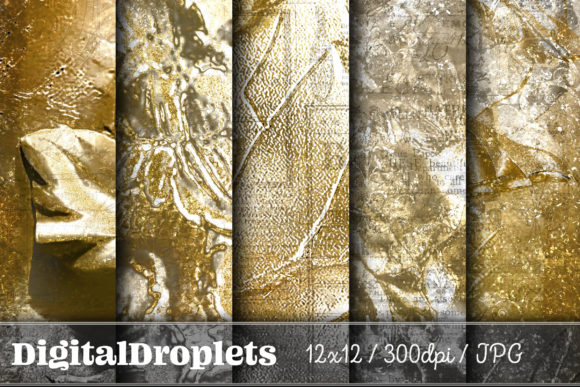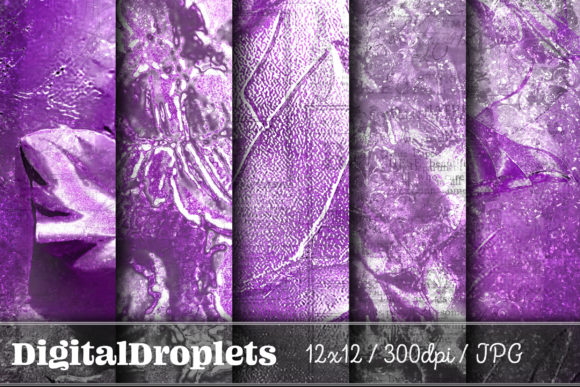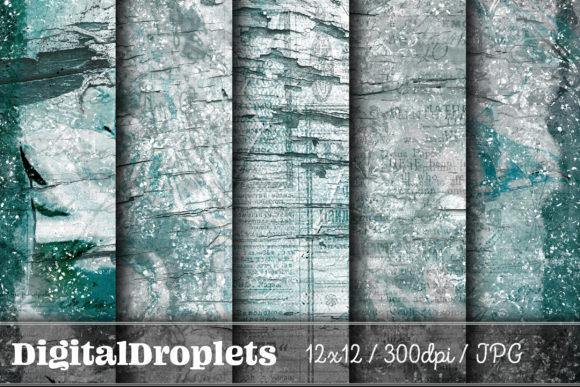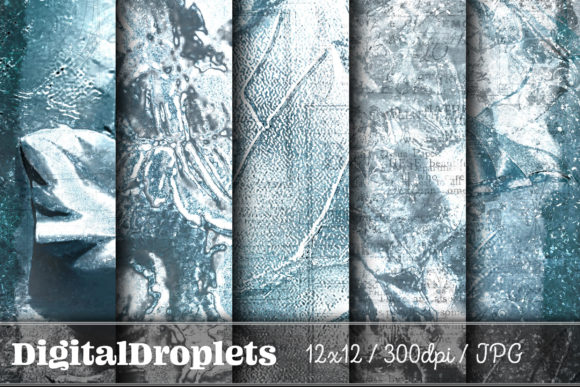
Gilded Flower Imprints Vol. 34: Vintage Floral Elegance for Modern Projects
There's a particular kind of beauty in combining the timeless with the contemporary—old-world charm meeting present-day design sensibility. Gilded Flower Imprints Vol. 34 captures exactly that intersection. This collection of 20 high-resolution digital papers presents large, bold floral motifs layered over vintage paper textures, with a subtle glitter damask pattern adding depth and sophistication beneath each bloom. It's the sort of design asset that doesn't just sit in a folder; it actively shapes the mood of whatever project you place it in.
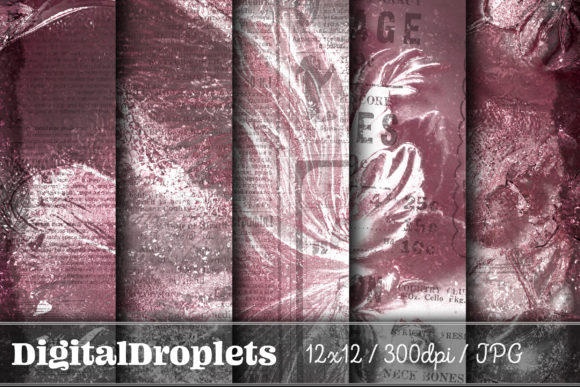
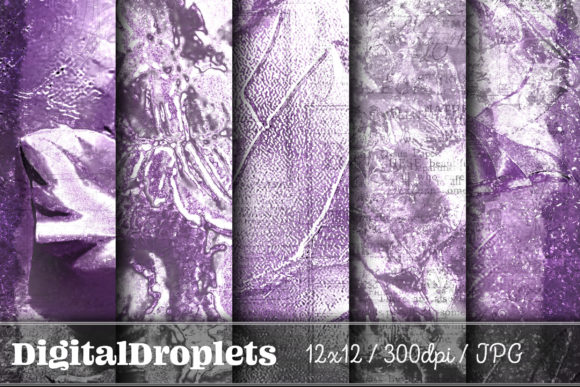
Each of the 20 papers in this set features a distinct floral pattern, so you're not working with minor color variations of the same design. You get genuine variety—different flowers, different compositions, different tonal qualities—while maintaining a cohesive aesthetic thread throughout. The vintage paper base gives every page an aged, tactile quality, as though the florals were pressed into parchment decades ago. That subtle glitter damask overlay doesn't scream for attention, but it catches light in a way that adds a quiet richness, particularly when printed or displayed digitally at full resolution.
Understanding the Visual Character
What makes Gilded Flower Imprints Vol. 34 stand apart from generic floral paper packs is its restraint. The large flower motifs aren't dainty or scattered—they command the page with confidence. Yet the vintage base keeps everything grounded, preventing the designs from feeling overly polished or sterile. There's an organic warmth here, a sense that these papers have stories embedded in their textures.
The personality of this collection leans formal without being stiff. It reads as elegant, romantic, and slightly nostalgic. Think of the difference between a fresh bouquet from a modern florist and a botanical illustration found in a Victorian-era journal. Both are beautiful, but they communicate entirely different things. Gilded Flower Imprints Vol. 34 sits firmly in the latter category—refined, layered, and rich with visual history.
That said, the collection doesn't feel dated or dusty. The high resolution (300dpi at 12×12 inches) ensures crisp detail whether you're working on print or digital projects. The florals maintain their clarity at various scales, and the subtle glitter effect translates well across both mediums. This balance between vintage aesthetic and modern technical quality is where the real value lies.
Where This Collection Truly Shines
Scrapbooking and junk journaling are natural fits, and that's likely where many crafters will gravitate first. But limiting Gilded Flower Imprints Vol. 34 to traditional paper crafts would undersell its versatility considerably.
For brand identity work, these papers offer something specific: a visual shorthand for elegance and heritage. A small business selling artisanal goods, vintage-inspired clothing, or luxury handmade products could use these textures as backgrounds for packaging inserts, thank-you cards, or branded stationery. The formal floral patterns communicate quality and attention to detail without requiring a single word of copy.
In editorial design and publishing, the collection works beautifully for chapter dividers, endpaper replacements, or decorative elements in book layouts. Self-publishers working on poetry collections, memoirs, or literary journals will find these papers add a tactile, bookish quality that generic backgrounds simply can't replicate. Blog designers can extract sections of these papers for sidebar backgrounds, header textures, or featured image overlays that give digital pages a handcrafted feel.
The applications extend further than you might initially consider:
- Invitations and stationery: Wedding suites, dinner party invitations, and formal correspondence benefit enormously from the vintage floral aesthetic.
- Washi tape and planner stickers: Printed on adhesive paper, these designs create custom decorative elements that look professionally produced.
- Gift wrap and tags: Scaled appropriately, the florals make distinctive wrapping paper that stands apart from mass-produced options.
- Wall art and home decor: Framed prints, canvas wraps, or even decoupage projects gain instant sophistication.
- Social media graphics: Background textures for quote cards, promotional posts, or branded content that needs a refined visual foundation.
- Collage and mixed media: The variety of patterns within the set gives artists material to layer, tear, and combine without visual monotony.
- Test at actual size before committing. Open the JPEG files at 100% zoom and evaluate how the patterns read at the scale you intend to use them. What looks like subtle texture on screen might print differently.
- Layer with transparency. The glitter damask effect becomes more pronounced when you adjust opacity or blend modes in your design software. Experiment with overlay and soft light modes for different results.
- Crop intentionally. Because each paper features a large floral motif, the composition changes dramatically depending on which section you use. Don't just center the whole page—consider using corners, edges, or partial blooms for more dynamic layouts.
- Check licensing for commercial use. If you're creating products for sale—whether physical goods like cards and prints or digital downloads—confirm the usage terms before incorporating these papers into commercial work.
Practical Considerations for Working With These Papers
When evaluating whether Gilded Flower Imprints Vol. 34 fits your project, start with mood and audience. These papers communicate formality, romance, and heritage. If your project targets a younger, more casual aesthetic—think bold geometric patterns or minimalist modernism—this collection might not align. But if your audience appreciates craftsmanship, tradition, or understated luxury, you're in the right territory.
For font pairing, consider typefaces that complement the vintage elegance without competing with it. A clean serif font for body text works well, paired with a script font or handwritten font for accent headings. Avoid ultra-modern sans serif fonts with sharp geometric qualities; they'll clash with the organic warmth of the floral motifs. If you're building brand materials, think of how the paper textures interact with your chosen typeface—the two should feel like they belong in the same visual conversation.
Color coordination matters too. The vintage paper bases tend toward warm, muted tones—cream, aged ivory, soft sepia. Your text colors and accent elements should respect that warmth. Deep burgundy, forest green, navy, or antique gold all pair naturally. Bright neons or stark black-and-white contrasts will fight the collection's inherent character.
A few practical tips for getting the most from this set:
Making the Most of a Curated Collection
Twenty papers is a thoughtful number. It's enough variety to support a multi-piece project—a full scrapbook, a coordinated stationery suite, a series of social media graphics—without overwhelming you with choices. Each paper in Gilded Flower Imprints Vol. 34 earns its place through distinct floral patterns, which means you can build visual sequences that progress naturally from one page to the next.
The creator also offers variations and sample freebies in their shop, which is worth exploring if you want to test the aesthetic before committing to the full set or if you need additional coordinating designs for larger projects. Building a small library of related assets from the same collection ensures visual consistency across your work, which is particularly important for brand identity applications where recognition and professionalism matter.
Ultimately, Gilded Flower Imprints Vol. 34 is a design asset that rewards thoughtful use. It's not a background you slap behind text and forget about. The depth of the textures, the variety of the florals, and the subtle interplay between vintage base and glitter overlay all invite closer inspection. When used with intention, these papers elevate projects from competent to memorable—and that distinction matters whether you're designing for clients, building a brand, or creating something purely for yourself.